Ford Fusion Struts (2017-2020) - Parts, Prices & Buying Guide
Browse 6,757 struts listings for your Ford Fusion with live marketplace pricing.
Found 6757 listings for "ford fusion struts"

FOR FORD FUSION (JU) 1.4 2002-2012 FRONT SHOCK ABSORBERS SHOCKS SHOCKERS PAIR X2

FOR FORD FUSION JU 2002-2012 FRONT GAS SHOCK ABSORBERS SUSPENSION DAMPERS X2 KIT

FOR FORD FUSION 2002-2012 FRONT SHOCK ABSORBERS SHOCKS SHOCKERS LEFT RIGHT PAIR
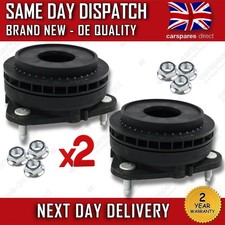
FOR FORD FUSION 2002-2012 FRONT SUSPENSION TOP STRUT MOUNTS & BEARINGS PAIR X2

FOR FORD FUSION BUNDLE OF 4 SHOCK ABSORBERS 1.4 1.6 (2004-2012) FRONT & REAR

FOR FORD FUSION 2002-2012 REAR TOP STRUT MOUNT SHOCK SUSPENSION PAIR X2 LH & RH

FOR FORD FUSION 2 MK1 Front Shock Absorber pair + 2 strut top mounts + 2 springs
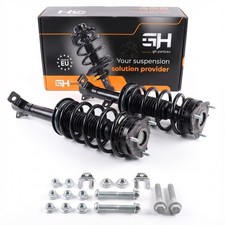
2x Complete Struts Assembly Front for Ford Fusion (JU) 1.4TDCi 06.2002-01.2004
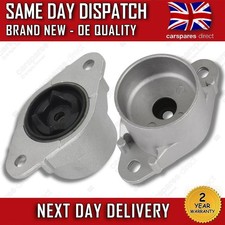
FORD FUSION 2002-2012 REAR LEFT & RIGHT TOP STRUT MOUNT SUSPENSION SHOCK PAIR X2
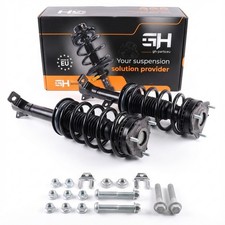
2x Complete Struts Assembly Front for Ford Fusion (JU) 1.4, 1.6 06.2002-01.2004

Genuine Ford Fiesta Mk6 Fusion Rear Shock Absorber Suspension Strut 1327469

FORD FUSION 2002> PAIR OF FRONT SUSPENSION GAS CHARGED SHOCK ABSORBERS X2 STRUTS
FOR Ford Fusion Front 2004-2012 O/S & N/S Shock Absorbers Struts Kit 1919358

FOR FORD FUSION 2002-2012 REAR SUSPENSION SHOCK ABSORBER SHOCKER DAMPER 1208718
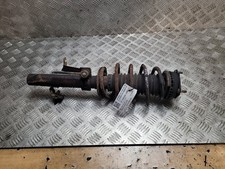
FORD FUSION 1.4 DELSEL 02-12 SUSPENSION STRUT SHOCK LEG FRONT PASSENGER SIDE

✅ GENUINE FORD FUSION N/S FRONT PASSENGER SUSPENSION LEG STRUT SPRING 2002-2012

FOR FORD FUSION 2002-2012 REAR SUSPENSION SHOCK ABSORBER SHOCKER DAMPER GAS X1
FOR FORD FUSION 1.4 TDCI 2002-2012 FRONT REAR SHOCK ABSORBERS SHOCKS SHOCKERS
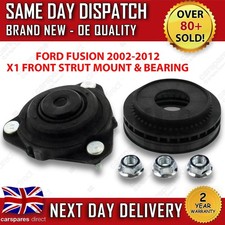
FOR FORD FUSION 2002-2012 FRONT TOP STRUT MOUNT & BEARING BUSH SUSPENSION X1
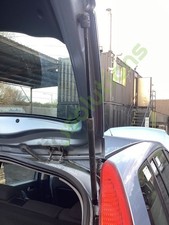
FORD FUSION FUSION 2 2002-2005 Bootlid Struts Pair
About Ford Fusion Struts Parts
Shop quality struts for your Ford Fusion. Find genuine OEM and aftermarket parts from verified eBay sellers with competitive pricing and fast shipping. Our listings are updated regularly to bring you the best deals on struts components.
Why Shop Struts for Ford Fusion?
- Genuine OEM and high-quality aftermarket options available
- Competitive pricing from verified eBay sellers
- Fast shipping options with buyer protection
- Easy returns and seller ratings for peace of mind
Technical Information
Struts combine a shock absorber with a structural component of the suspension system.
Available Types
- Standard replacement
- Quick-strut (complete assembly)
- Performance
- Adjustable
Key Benefits
- Structural support
- Ride control
- Handling stability
- Proper wheel alignment
Warning Signs to Watch For
- Clunking over bumps
- Poor handling
- Visible strut damage
- Uneven tire wear
Recommended Replacement Interval
50,000-100,000 miles, inspect regularly
Installation Information
DIY possible for those with intermediate mechanical skills and proper tools.
Installation time may vary for Ford Fusion based on engine bay layout and accessibility.
Frequently Asked Questions
How do I find the right struts for my Ford Fusion?
Verify compatibility using your Ford Fusion's VIN number, production year (2017-2020), and engine code. Check seller compatibility charts and cross-reference OEM part numbers when possible.
How often should I replace struts on my Ford Fusion?
General guideline: 50,000-100,000 miles, inspect regularly. However, driving conditions (city vs highway, climate, towing) affect replacement frequency. Inspect regularly and replace when warning signs appear.
Should I use OEM or aftermarket struts for my Ford Fusion?
OEM parts guarantee exact Ford specifications and fitment. Quality aftermarket brands often meet or exceed OEM standards at lower prices. For warranty vehicles, check if aftermarket parts affect coverage.
What are signs that my Ford Fusion needs new struts?
Common warning signs include: Clunking over bumps, Poor handling, Visible strut damage, Uneven tire wear. If you notice any of these symptoms, inspect or replace the struts promptly to prevent further damage.
Can I install struts on my Ford Fusion myself?
Possible for DIYers with intermediate skills. Expect 2-4 hours. Always consult your owner's manual and follow proper safety procedures.