Porsche 911 Brake Pads (2020-2024) - Parts, Prices & Buying Guide
Research brake pads options for your Porsche 911 and compare marketplace availability before you buy.
Found 40656 listings for "porsche 911 brake pads"
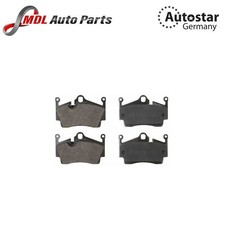
AutoStar Germany Rear Ceramic Brake Pads 98735293901 for Porsche Boxster/Cayman

Febi Front Brake Pads Set Fits Porsche 911 1966-1990

Disc Brake Brake Pad Set Front Fits Porsche 911 Convertible - Brembo P 65 025
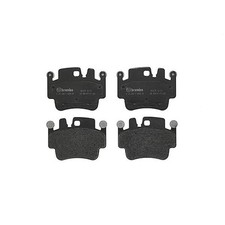
Disc Brake Brake Pad Set Front Rear Fits Porsche 911 Convertible Brembo P 65 009

Brake Pads Set For Porsche 911 997 3.8 Turbo Front Textar 99635194800
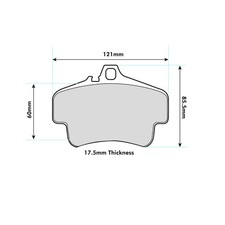
Ferodo DS2500 Competition Brake Pads Fits Various Porsche 911 / Cayman / Boxster

Brake Pads Set fits PORSCHE 911 964, TURBO 3.3 77 to 93 Brembo 93035193700 New
Brake Pads For Porsche 911 997 3.8 Carrera 4 GTS Front Textar 99635194910

PORSCHE 911 Coupe Brembo Brake Pads Front/Rear 1988-1993

PORSCHE 911 Targa Brembo Brake Pads Front/Rear 1994-1997

PORSCHE 911 Coupe Brembo Brake Pads Front/Rear 1963-1990

PORSCHE 911 Coupe Brembo Brake Pads Front/Rear 1993-1997

Brembo Front Rear Brake Pads Set Fits Porsche 911 944 928 + Other Models

Porsche Brake Pads Front Borg & Beck 911 Boxster Cayman

Brake Pads Set For Porsche 911 991 3.0 Carrera S Front Textar 99135194701

Delphi LP2056 Brake Pads Set Front With Anti-Squeak Plate Fits Porsche 911

EBC RedStuff Front Brake Pads for Porsche 911 997 3.8 Carrera GTS 410 DP31515C
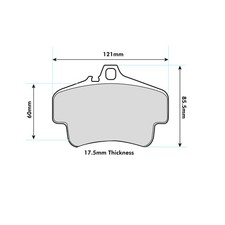
Ferodo DS3.12 Brake Pads For Various Porsche 911 / Cayman / Boxster (FCP3051)
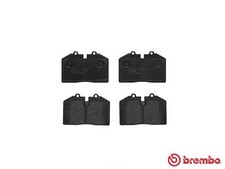
PORSCHE 911 Coupe Brembo Brake Pads Front/Rear 1988-1993

Textar REAR Brake Pad Set for Porsche 911 3.6 3.8 (997) 2006-2012
About Porsche 911 Brake Pads Parts
Looking for Porsche 911 brake pads? Find high-quality brake pads designed specifically for your vehicle. Whether you need ceramic, semi-metallic, or organic brake pads, we offer options from trusted manufacturers. Regular brake pad replacement is essential for safe driving and optimal braking performance.
Why Shop Brake Pads for Porsche 911?
- Genuine OEM and high-quality aftermarket options available
- Competitive pricing from verified eBay sellers
- Fast shipping options with buyer protection
- Easy returns and seller ratings for peace of mind
Technical Information
Your brake pads work with the rotors and calipers to provide consistent, safe braking performance.
Available Types
- Ceramic
- Semi-metallic
- Organic
- Carbon-fiber
Key Benefits
- Quieter operation
- Less brake dust
- Better heat dissipation
- Longer rotor life
Warning Signs to Watch For
- Squealing noise when braking
- Grinding sounds
- Longer stopping distances
- Brake pedal vibration
- Warning light on dashboard
Recommended Replacement Interval
30,000-70,000 miles depending on driving conditions
Installation Information
This is a good DIY project for most skill levels.
Installation time may vary for Porsche 911 based on engine bay layout and accessibility.
Frequently Asked Questions
How do I find the right brake pads for my Porsche 911?
Verify compatibility using your Porsche 911's VIN number, production year (2020-2024), and engine code. Check seller compatibility charts and cross-reference OEM part numbers when possible.
How often should I replace brake pads on my Porsche 911?
General guideline: 30,000-70,000 miles depending on driving conditions. However, driving conditions (city vs highway, climate, towing) affect replacement frequency. Inspect regularly and replace when warning signs appear.
Should I use OEM or aftermarket brake pads for my Porsche 911?
OEM parts guarantee exact Porsche specifications and fitment. Quality aftermarket brands often meet or exceed OEM standards at lower prices. For warranty vehicles, check if aftermarket parts affect coverage.
What are signs that my Porsche 911 needs new brake pads?
Common warning signs include: Squealing noise when braking, Grinding sounds, Longer stopping distances, Brake pedal vibration, Warning light on dashboard. If you notice any of these symptoms, inspect or replace the brake pads promptly to prevent further damage.
Can I install brake pads on my Porsche 911 myself?
Yes, this is typically a moderate DIY job taking 1-2 hours. Always consult your owner's manual and follow proper safety procedures.